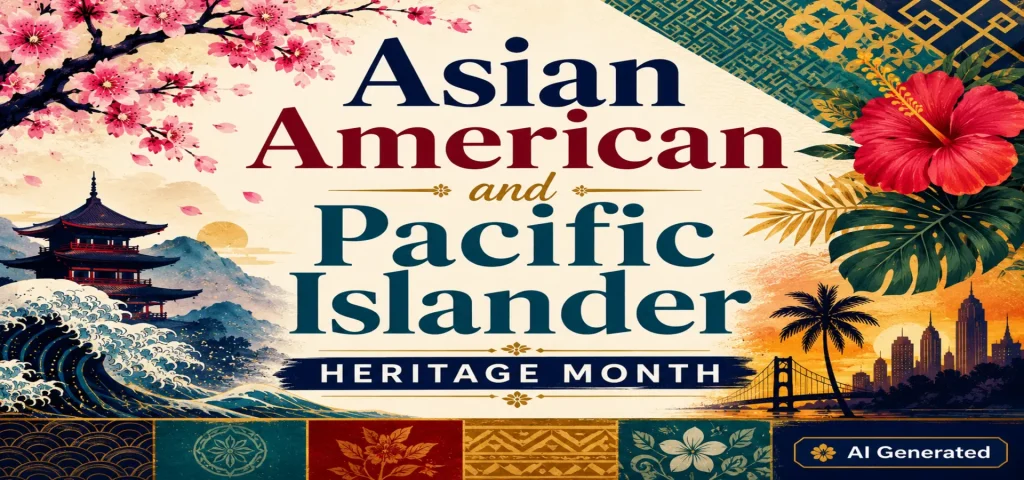


It’s May 2026, and if you’re looking at the American cultural landscape, the old ways of observing Asian American And Pacific Islander Heritage Month are officially dead. We’ve moved past the era of surface-level “appreciation.” Now, we’re in the era of presence. This month is no longer a polite invitation to “try a new cuisine”; it is a massive, nationwide assertion of a community that has become the beating heart of the country’s future.
When we talk about Asian American And Pacific Islander Heritage Month, we are talking about a demographic that has moved from the margins of the history books to the center of the legislative floor and the tech boardroom. It is 31 days of looking at the American mirror and realizing the reflection is much more complex than we were ever taught in school.
A Needed Rebranding: Asian American Native Hawaiian And Pacific Islander Heritage Month
You’ve likely noticed that the acronyms are getting longer, and for good reason. In 2026, the push for Asian American Native Hawaiian And Pacific Islander Heritage Month is about honesty. The old “AAPI” label was a convenient bucket, but it tended to drown out the specific voices of Indigenous people.
By insisting on Asian American Native Hawaiian And Pacific Islander Heritage Month, community leaders are making a point: the history of a Filipino farmworker in the 1930s is not the same as the history of a Native Hawaiian fighting for water rights in 2026. This month is about the collision of those stories—the immigrant’s hope and the Indigenous person’s sovereignty.
If you aren’t using the full name, you’re missing half the story of Asian American And Pacific Islander Heritage Month.
Asian American And Pacific Islander Heritage Month Colors
Walk into any creative hub in Brooklyn, Seattle, or Atlanta right now, and you’ll see the 2026 aesthetic. The Asian American And Pacific Islander Heritage Month Colors this year have ditched the stereotypes. We’re seeing:
- Obsidian and Volcanic Ash: To honor the volcanic origins of the Pacific Islands.
- Deep Saffron: A nod to the spiritual and social weight of South Asian influence.
- Oxblood Red: Not just for “luck,” but to symbolize the grit of the railroad workers who were literally erased from the history books despite building the country’s spine.
These Asian American And Pacific Islander Heritage Month Colors are meant to be a visceral reminder that the AANHPI identity is built on both beauty and struggle.
Asian American And Pacific Islander Heritage Month Facts
Let’s get into the weeds. If you’re going to speak about Asian American And Pacific Islander Heritage Month, you need to know the “why” behind the “when.” Here are the Asian American And Pacific Islander Heritage Month Facts that actually matter in 2026:
- The Transcontinental Railroad: We celebrate in May because of May 10, 1869. That’s when the tracks met in Utah. But here’s the kicker: the Chinese workers who did the deadliest work were barred from the official photos. Asian American And Pacific Islander Heritage Month is, in many ways, a 31-day attempt to fix that photo.
- Economic Powerhouses: By 2026, the spending power of the AANHPI community has surged past $1.6 trillion. This isn’t a “minority” market; it’s the market.
- The First Arrival: May 7, 1843, was the date the first Japanese immigrant set foot in the U.S. This is the bedrock of why May was chosen for Asian American And Pacific Islander Heritage Month.
Asian American And Pacific Islander Heritage Month Events
If you’re looking for Asian American And Pacific Islander Heritage Month Events this year, the vibe is “unfiltered.” We’re seeing a massive move toward:
- Town Hall Takeovers: In cities like Minneapolis and Houston, Asian American And Pacific Islander Heritage Month Events are focusing on political mobilization and the “Bamboo Ceiling” in corporate leadership.
- Film & Media Galas: Major streaming platforms are dropping exclusive AANHPI-led content this month, moving away from the “kung fu” or “nerd” tropes and into raw, human dramas.
- Ancestral Voyaging: In the Pacific Northwest and Hawaii, Asian American And Pacific Islander Heritage Month Events are highlighting traditional navigation—proving that Pacific Islanders were masters of the sea long before Western explorers arrived.
Asian American And Pacific Islander Heritage Month Activities
Don’t just be a spectator. In 2026, the most impactful Asian American And Pacific Islander Heritage Month Activities happen in your daily habits:
- The 30-Day Support Challenge: Commit to spending your “luxury” budget—dinners, books, coffee—exclusively at AANHPI-owned businesses.
- Oral History Sessions: This is one of the most vital Asian American And Pacific Islander Heritage Month Activities. Sit down with a family elder. Record their story. Our history in this country is often oral because the written records were never meant for us.
- Audit Your Media: Look at your podcast list or your bookshelf. If it’s all one flavor, use Asian American And Pacific Islander Heritage Month to diversify your intake. Find a Hmong memoir or a Samoan climate podcast.
The Final Word
At the end of the day, Asian American And Pacific Islander Heritage Month isn’t a performance. It’s a claim. It’s 24 million people saying, “We are the architects of what comes next.”
Whether you are geeking out over Asian American And Pacific Islander Heritage Month Facts or organizing your own Asian American And Pacific Islander Heritage Month Activities, remember that this is about the long game.
We aren’t just here for May. We are here for good.
FAQs
1. What is the purpose of Asian American Pacific Islander Heritage Month?
It exists to acknowledge the massive roles that AANHPI individuals have played in U.S. history. But in a modern sense, it’s about visibility and correcting the historical record where those contributions were ignored.
2. What countries are included in Asian Pacific Islander Heritage Month?
It covers the entire Asian continent—East, Southeast, South, and West Asia—plus the Pacific Island regions of Melanesia, Micronesia, and Polynesia.
3. What is the new name for AAPI Heritage Month?
The official name is now Asian American Native Hawaiian And Pacific Islander (AANHPI) Heritage Month. The addition of “Native Hawaiian” is a critical step in recognizing Indigenous rights.
4. How to celebrate Asian American Pacific Islander Heritage Month?
Get active. Show up to local Asian American And Pacific Islander Heritage Month Events, educate yourself on the lesser-known Asian American And Pacific Islander Heritage Month Facts, and make your support tangible by putting your money into the community’s businesses and arts.