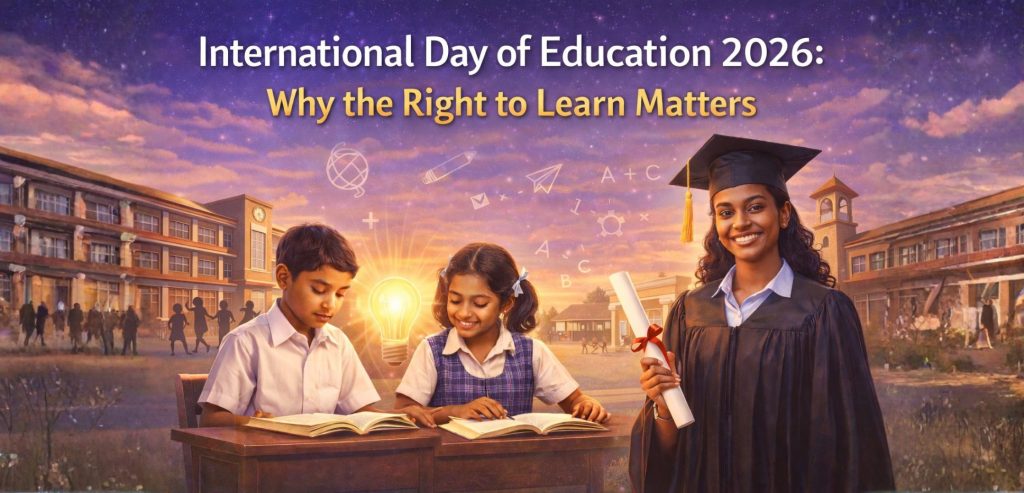


In the United States, we often take for granted the yellow school buses, the local community colleges, and the ritual of “back-to-school” shopping every fall. We see education as a standard part of life—a given. But on a global scale, the ability to read a simple sentence or solve a basic math problem is a luxury that remains unreachable for millions.
As we move into a new year, 2026, the global community is preparing to observe the International Day of Education. This isn’t just another date on a crowded UN calendar; it is a critical milestone for human rights and a global call to action to ensure that no mind is left in the dark.
What Is the International Day of Education?
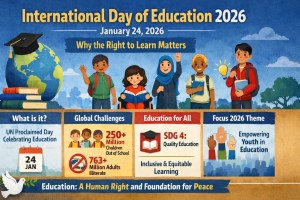
If you are wondering what International Day of Education is, it is an annual observance dedicated to celebrating the role of learning in fostering peace, development, and gender equality. Proclaimed by the United Nations General Assembly in January 24th 2018, this day serves as a reminder that education is a fundamental human right, a public good, and a shared responsibility.
According to the UN, “international days are put forward to the UN General Assembly by Member States. The General Assembly then determines by consensus whether to adopt the resolution establishing the specific day.”
In the U.S., our conversations about education often focus on student loans or curriculum changes. While these are important, the International Day of Education asks us to zoom out. It highlights the 250 million children and youth who are currently out of school and the 763 million adults who lack basic literacy skills (UNESCO). This day is about mobilising political will and resources to fix a broken global system where access to knowledge is determined by where you were born.
Important Dates: Marking Your 2026 Calendar
For those looking to get involved, the International Day of Education date is January 24th. Because this falls in early winter for those of us in the States, it’s a perfect time to reflect on our goals for the year and how we can contribute to a more equitable world.
The upcoming International Day of Education 2026 is set to be a landmark year. As we approach the deadline for the Sustainable Development Goals (SDGs), 2026 will serve as a “status check” for the world. We aren’t just celebrating; we are evaluating. How close are we to reaching the goal of universal primary and secondary education by 2030? The International Day of Education 2026 will likely focus on the “Power of Youth in Co-creating Education”, emphasizing that students shouldn’t just be passive recipients of knowledge but active architects of their learning systems.
The Stark Reality: Why the World Needs International Day of Education
While statistics can sometimes feel abstract, they represent real lives. Consider these facts:
- The Funding Gap: For every $100 a high-income country spends on a child’s education, a low-income country spends less than $1 (Global Partnership for Education).
- The Gender Divide: In many parts of the world, especially in sub-Saharan Africa, fewer than 40% of girls complete lower secondary school (Geneva Global Hub).
When we ignore the International Day of Education, we ignore the reality that poverty is often a cycle fueled by a lack of literacy. Without an education, a child is more vulnerable to child labour, early marriage, and radicalisation. On the flip side, just one extra year of schooling can increase a person’s earnings by up to 10%. This is why the International Day of Education date is so significant—it’s the one day a year when the entire world is forced to look at these numbers and say, “We can do better.”
Education for the Differently Abled: A Specialised Mission
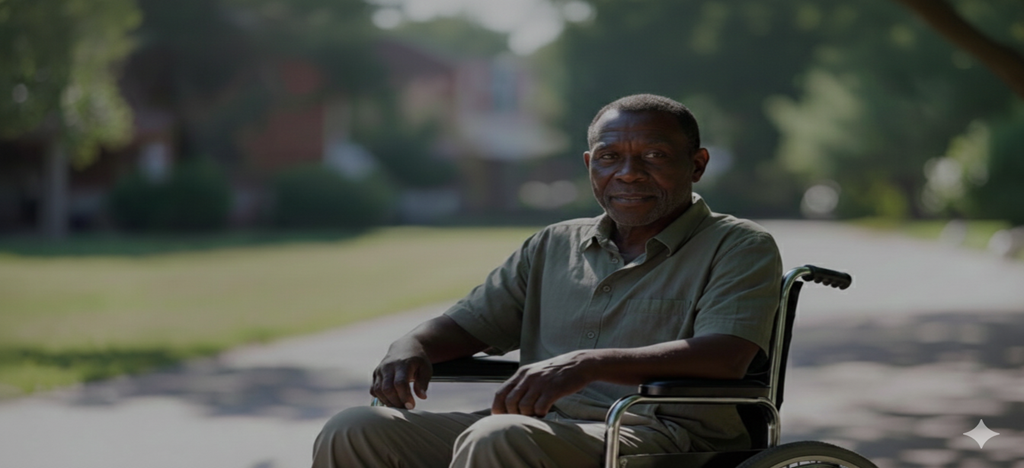
One of the biggest hurdles in global education is reaching those with physical disabilities. In many developing nations, a child with a disability is often hidden away or considered “uneducable.”
This is where specialised intervention makes all the difference. Organisations like Narayan Sewa Sansthan are leading the charge by integrating healthcare with learning. By providing free corrective surgeries and prosthetic limbs to the differently-abled, NSS USA doesn’t just help a child walk—it also helps them walk into a classroom.
The vocational training programs and schools ensure that access to education includes everyone, regardless of physical challenges. This holistic approach mirrors the spirit of the International Day of Education, proving that when physical barriers are removed, intellectual potential is limitless.
How Americans Can Participate in the International Day of Education 2026
Here is how you can observe the International Day of Education from your community:
- Educate Yourself: Learn what the International Day of Education truly represents by reading UNESCO reports and understanding education crises in conflict-affected regions.
- Support Global Literacy: Donate to organisations like Narayan Sewa Sansthan that build children’s education academies or provide digital learning tools to rural areas.
- Host a Discussion: Teachers and students can use the International Day of Education to spark classroom conversations about technology, AI, and inclusive learning.
- Advocate for Aid: Contact local representatives and encourage continued U.S. investment in global education initiatives.
The Intersection of Peace and Learning
The theme in recent years has often revolved around “Learning for Lasting Peace.” Education is the most effective tool we have to fight prejudice. When children learn about other cultures and perspectives, the roots of conflict begin to dissolve.
The International Day of Education reminds us that peace isn’t just the absence of war; it’s the presence of opportunity. A young person with education and employment is invested in the stability of their community. Every book opened is a door to peace unlocked.
Final Thoughts
Education is a journey that never truly ends. Whether we are learning a new skill at age 50 or a child is learning their ABCs at age 5, the “click” of understanding is a universal human experience.
The International Day of Education is our chance to ensure that this “click” happens for every child on the planet. As we look ahead to January 24th, let’s commit to more than awareness—let’s commit to action.
Whether you support the inclusive mission of Narayan Sewa Sansthan or simply share a post explaining what the International Day of Education is, you are part of the solution. Let’s make International Day of Education 2026 the year we begin to close the gap between those who can learn and those still waiting for the chance.
By championing the International Day of Education, we are championing the future of humanity itself.