

When we talk about our well-being, we aren’t just talking about gym memberships or kale salads. We’re talking about the backbone of our lives. This year, as we approach World Health Day, there’s a new energy in the air.
In the United States, 2026 is becoming the year where “trust” and “data” finally sit at the same table. We are moving past the guesswork and leaning into a future where evidence guides every prescription and every public health policy.
What Is World Health Day 2026?
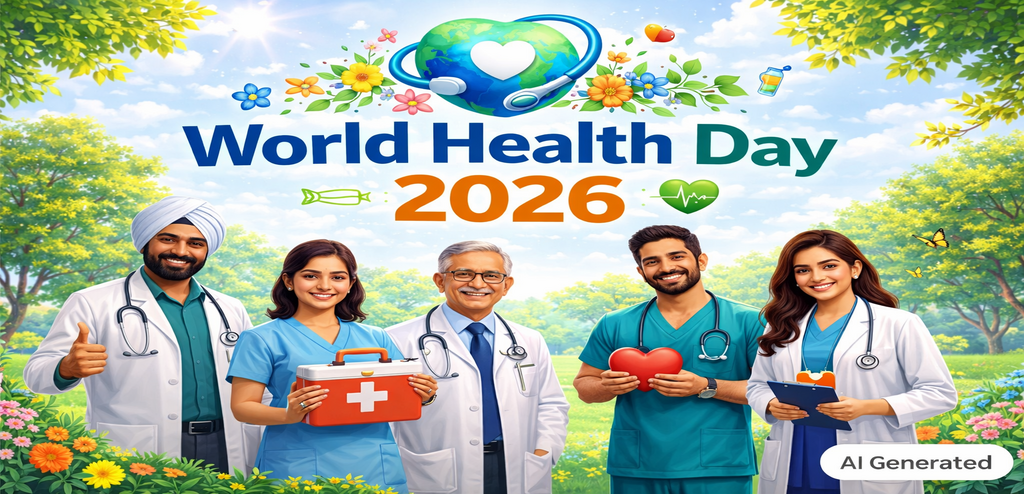
If you’ve seen the hashtag #WorldHealthDay trending, you might be wondering what the buzz is about. World Health Day 2026 is a global day of action aimed at tackling the most urgent health priorities of our time. In the USA, this isn’t just another date on the calendar; it’s a moment for patients, doctors, and innovators to sync up.
The world health day date never changes—it’s 7th April World Health Day. In 2026, this falls on a Tuesday. While the world gathers for big summits, like the One Health Summit in France, back home in America, the day is about local impact. It’s about how we use new technology to make sure our neighbors in rural towns and big cities alike get the care they deserve.
History of World Health Day
To understand the origin of World Health Day, we have to go back to 1948. This was the year the World Health Organization (WHO) was born. They wanted a specific day to celebrate their founding, but more importantly, they wanted a day to highlight a “major public health priority.”
The first official celebration happened in 1950. Since then, it has evolved into a massive global movement. From fighting smallpox in the 70s to pushing for polio vaccines in the 90s, this day has always been about taking the best of science and putting it into the hands of the people who need it most.
Importance of World Health Day
Why does the importance of World Health Day continue to grow? Because health isn’t a solo sport. In 2026, we are seeing that global issues—like the spread of new viruses or the rise of chronic conditions—require global solutions.
For us in the USA, this day pushes the conversation on Universal Health Coverage. It’s a reminder that medical breakthroughs don’t mean much if people can’t afford them. By shining a spotlight on health equity every April 7th, we hold leaders accountable and keep the focus on making healthcare accessible, predictable, and fair.
Why to Celebrate World Health Day
We celebrate World Health Day to honor the “wins.” We celebrate the fact that a child born today has a better chance of a long, healthy life than at any other point in history. Celebration is also about empowerment. When we acknowledge the progress of medical science, we feel more in control of our own health journeys.
It’s also a great excuse to reset. Think of it as a “New Year’s Resolution” for your body. Whether it’s finally getting that screening you’ve been putting off or learning how to read your own health data, the day gives us the nudge we need to prioritize ourselves.
World Health Day 2026 Theme
The world health day theme for 2026 is “Together for Health: Stand with Science.” This hits home for a lot of Americans right now. In a world full of conflicting “health hacks” on social media, this theme is a call to return to the facts.
Standing with science means trusting peer-reviewed research and evidence-based medicine. It’s about making sure that our doctors have the tools they need and that we, as patients, have the information we can actually trust. When we “Stand with Science,” we aren’t just following rules—we are following the most proven path to a longer life.
How World Health Day Is Observed
So, what do world health day activities actually look like in 2026? It’s a mix of high-tech and high-touch:
- Virtual Forums: Many US health organizations host webinars (like the Medical Bridges Virtual Forum) to discuss the state of global health and how we can bridge care gaps.
- Clinic “Open Houses”: Local clinics often use the day to offer free screenings for blood pressure or sugar levels.
- Classroom Action: Schools across the country are using the day to teach kids about the “One Health” approach—how our health is linked to the science of everything around us.
- Tech Checks: Thousands of Americans are using April 7th to recalibrate their wearable health devices and set new goals based on their real-time data.
How Can You Show Appreciation to an NGO on World Health Day?
NGOs are often the “unsung heroes” who take the science and bring it to the streets. If you want to show appreciation, don’t just “like” a post. Take action:
- Share a Story: If an organization helped your family, tell people about it. Word of mouth is powerful.
- Volunteer: Even a few hours of your time can help an NGO organize a screening or a fundraiser.
- Donate: This is the most direct way to keep the wheels of science moving.
One group that truly lives the “Stand with Science” mission is Narayan Sewa Sansthan. This NGO take the complex science of orthopedic surgery and use it to change lives for free. It provide corrective surgeries and prosthetic limbs to people who would otherwise be left behind. It’s a perfect example of science and compassion working together.
Stand with science and transform a life—Donate Online to Narayan Sewa Sansthan.
FAQs About World Health Day
1. Who organizes World Health Day?
The World Health Organization (WHO) leads the charge globally, but local governments and NGOs drive the activities in the United States.
2. What is the significance of April 7th?
It marks the anniversary of the founding of the WHO in 1948.
3. Is World Health Day a public holiday?
No, it’s not a day off work, but it is a day of awareness. You’ll find many workplaces hosting lunch-and-learn sessions or wellness workshops.
4. Why does World Health Day use themes?
Themes help focus the world’s energy on one specific problem at a time. It prevents the message from getting lost in the noise.