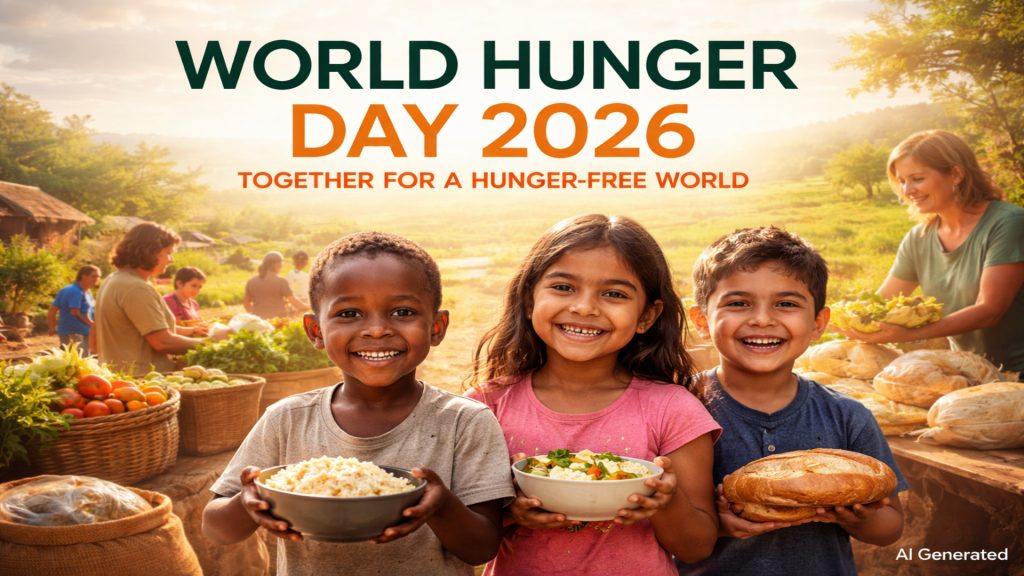


Every single year on May 28, a massive mix of regular folks, local charities, businesses, and policymakers get together to flag a massive problem: food insecurity. They call it World Hunger Day. Now, looking at the calendar for 2026, this whole conversation feels incredibly heavy. It isn’t just data on a screen anymore. Between the brutal price of groceries, unpredictable weather wiping out harvests, and deep economic gaps, millions of families are actively struggling just to put food on the table.
A lot of people still fall into the trap of thinking hunger only happens in far-away, developing nations. But that’s a total myth. Look closer at your own backyard. In suburbs, small towns, and major cities, you have working parents skipping meals, seniors rationing groceries, and kids going to bed hungry. World Hunger Day isn’t just about a lack of food packages, either. It’s a systemic mess tied directly to low wages, sudden layoffs, soaring inflation, and neighborhoods that don’t even have a decent grocery store within miles.
If we actually want to fix this, we have to move past empty slogans and figure out how to take real, actionable steps.
Breaking Down the World Hunger Day Movement
So, what is the actual point of World Hunger Day?
Basically, it’s a global campaign aimed at completely wiping out chronic hunger through long-term, community-led solutions instead of just handing out quick, short-term fixes. Marked every year on May 28, the event urges everyday people to invest in sustainable food programs and push for real policy changes.
Emergency food drives are great, sure, but they don’t solve the underlying issue. That’s why this initiative focuses on helping communities feed themselves. We’re talking about teaching better farming methods, opening up educational paths, supporting local business owners, and keeping school lunch programs funded.
Right now, food banks nationwide are feeling an intense squeeze. Daily living costs are so high that even families with full-time jobs are showing up at pantries just to make it to the end of the month.
Why 2026 is a Critical Turning Point
The fallout from missing meals stretches way past an empty stomach. It completely derails a person’s life. Kids who don’t eat can’t focus on their homework, adults develop chronic health issues, and families get trapped in a loop of financial stress that’s incredibly hard to break.
The data from local food banks paints a pretty bleak picture. Millions of Americans are leaning on food assistance just to survive. It’s wild because our agricultural tech is better than ever, yet the gap between who grows food and who can actually afford to eat it keeps getting wider.
Here is what’s actively driving the crisis:
- Grocery bills that make you double-check your receipt.
- Strange weather patterns destroying local crops.
- Broken supply chains that leave shelves empty.
- Wages that don’t match the price of rent.
- Total lack of healthy options in low-income neighborhoods.
Because these problems are baked into our daily systems, our solutions have to be just as deep. That’s what the spirit of this day is trying to get across.
How to Help Out Locally on World Hunger Day
The biggest takeaway from World Hunger Day is that no one is helpless. You don’t need a massive platform or a million dollars to do something meaningful.
Here are a few straightforward ways you can get your hands dirty:
- Send Cash to Food Banks, Not Just Cans: It sounds counterintuitive, but cash actually goes way further. Food banks buy in massive bulk directly from distributors, so your ten dollars buys way more food than a couple of cans from your pantry.
- Show Up and Volunteer: Local charities are almost always short-staffed. Whether you’re packing boxes, driving delivery vans, or helping organize an event, giving your time is huge.
- Stop Throwing Out Food: Americans waste an unbelievable amount of perfectly good food every year. Being smarter about your leftovers and supporting food rescue groups makes a huge dent.
- Support Neighborhood Farmers: When you buy your produce locally, you help build a food system that doesn’t collapse the moment something goes wrong on a national level.
- Talk About It: Use your own voice online or in person to share local resources and break the stigma around needing help with groceries.
The Role of Local Businesses
Companies can’t just sit on the sidelines anymore. We are seeing a shift where businesses are moving away from boring corporate donations and actually embedding World Hunger Day goals into what they do every day.
Think about restaurants, distributors, and grocery chains partnering directly with local shelters to drop off excess food before it goes bad. It stops food from rotting in landfills and immediately helps a family in need. Plus, let’s be real—customers notice who actually cares. People want to buy from brands that show some humanity, and stepping up to fight hunger builds real, lasting trust.
Hunger in Our Own Communities
Despite being an incredibly wealthy country, America has a massive, quiet hunger problem. It hides in places you wouldn’t expect, like nice-looking suburban neighborhoods or isolated rural areas that don’t get much media coverage.
- The Kids: They face the highest stakes. School breakfast and lunch programs are often the only stable meals these kids get all day.
- The Elderly: Rising healthcare costs and rent are forcing seniors into impossible choices. Do they buy their prescription medicine, or do they buy food? They shouldn’t have to choose.
This is exactly why World Hunger Day matters so much here. It forces everyone to admit that hunger isn’t just something you see on the news—it’s happening to the people living down the street.
Can Tech Fix This?
Surprisingly, new tech tools are turning into massive assets. Simple smartphone apps now connect restaurants that have leftover food with volunteers who can drive it straight to a shelter.
- Smart Distribution: Food pantries are using predictive data to figure out when they’re going to get hit with a wave of demand, ensuring they have enough supplies ready before things get desperate.
From smart farming tools that help grow more food with less water to online platforms that make fundraising incredibly simple, technology is helping us react faster and smarter than ever before.
Wrapping Things Up
As May 28 gets closer, the main takeaway is pretty simple: hunger is a problem we can actually solve, but only if we stop treating it like it’s inevitable.
Charity drives are great for an emergency, but they aren’t a cure. We need to focus heavily on sustainable farming, fair wages, better education, and making healthy food affordable for everyone. Whether you give money, show up to volunteer, or just change how you think about food waste, your choices carry weight. World Hunger Day reminds us that looking out for each other is a shared human responsibility—and real progress happens when we stop talking and start doing.
Quick FAQs
1. What’s the best way to participate in World Hunger Day?
There’s no single formula. Go volunteer at a shelter, donate money to a local pantry, cut down on your kitchen waste, or teach your friends and coworkers about the systemic causes of food insecurity. Every little bit counts.
2. Who started World Hunger Day?
An international nonprofit called The Hunger Project kicked off the initiative. They wanted to show the world that chronic hunger isn’t just about a lack of charity—it’s tied to poverty, gender inequality, and systemic neglect, and it requires localized, long-term solutions.
3. What are 5 quick facts about the global hunger crisis?
- It’s a distribution issue, not a supply issue. We grow more than enough food to feed everyone on earth.
- Going without proper nutrition permanently harms a child’s brain development and growth.
- Food waste is a massive driver of both climate change and local food scarcity.
- Extreme weather makes it incredibly hard for independent farmers to rely on their crops.
- High-income nations deal with severe, deeply hidden hunger issues just like developing countries do.