

Whenever you read the term rare disease, you may think about a not-so-popular disease that has affected only a very small number of people. But the truth is much deeper. Rare diseases are infrequent individually but common as a group; they affect the lives of millions of people, and thus, the problem of world rare disease awareness is a pressing concern in the sphere of public health.
The awareness programs about International Rare Disease Day bring global awareness to a disease that is not endemic to an individual but is endemic among many people all over the world.
This blog discusses the facts about rare diseases and how trusted charity organizations are changing the situation.
What are Rare Diseases?
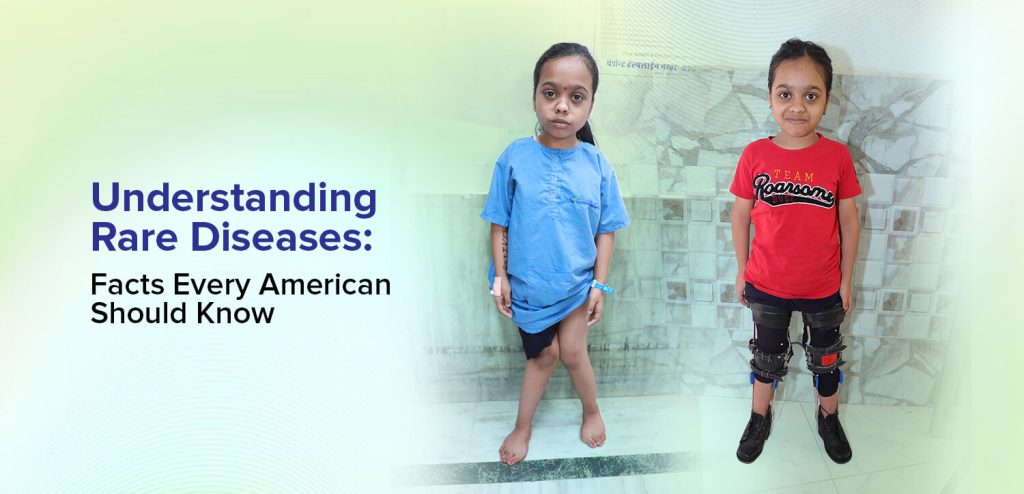
A rare disease is defined as an illness that affects fewer than 200,000 individuals in the U.S. at any one given moment. There are more than 7,000 rare diseases that impact more than 30 million people in the United States. Due to their individual infrequency, rare conditions do not frequently feature in popular health discourse, yet when combined, they pose an enormous health issue to the population.
Genetic diseases, immune-related diseases, metabolic diseases, neurological diseases, and developmental diseases are rare diseases. Some are present at birth, while others occur later in life. A large number of them cannot be cured, and a significant number of them do not have effective treatment. Actually, approximately 95 percent of rare diseases do not have an FDA-approved treatment.
Some of the Rarest Diseases
Out of thousands of unique rare conditions that have been determined all over the world, one cannot rank all the conditions. Nonetheless, there are very unusual conditions, which are so uncommon that only a few individuals have been diagnosed with them. Besides the more familiar diseases, including cystic fibrosis and Huntington’s disease, there are also ultra-rare diseases, including:
Fields Syndrome: The syndrome was discovered in a limited number of brothers in the world.
RPI Deficiency: Reported in less than 10 people across the globe.
Canavan Disease: A lethal autosomal dominant hereditary disorder of the brain with less than 100 known cases in the United States.
These are the rarest diseases, which highlight both the scientific as well as emotional burden of patients and families. Access to medical care not only turns into a lifeline, but also a support, in case one of the family members is diagnosed with one of the rarest diseases in the world.
The Importance of Rare Disease Awareness
1. Diagnostic Problems Delay Care
Since rare diseases are not observed under normal clinical practice, patients can spend years without a precise diagnosis, a process sometimes referred to as a diagnostic odyssey. It may take patients an average of five to seven years to be diagnosed correctly.
In the process, symptoms can deteriorate, chances of early interventions can be lost, and families can be rendered helpless.
2. Massive Gaps in Treatment and Research
The problem with research into rare diseases is that biotech companies are often reluctant to research a disease that only a small number of individuals are affected by. Despite the incentives like the Orphan Drug Act, which encourages drug development in rare diseases, there is still uneven progress.
As a majority of individuals with rare diseases risk losing their lives or the illness being non-curable, the lack of a cure is heartbreaking, especially to children who may never survive to see adult years unless a medical breakthrough occurs.
3. Rare Disease Awareness Reduces Isolation
Community building is one of the most effective results of the campaigns on rare diseases. Isolation of patients and their caregivers is common because of the uncommonness of the condition.
Awareness events such as the Rare Disease Day 2026 make people unite with each other; they connect with those who would never have encountered someone with a similar problem otherwise.
“Knowledge results in support, and support leads to hope.”
Supportive Initiatives for Rare Diseases
Even though the burden of rare diseases is unimaginable, the examples of organizations and initiatives that provide inclusive care are inspiring.
The following are some of the actual cases of Narayan Sewa Sansthan USA. The power of committed support can change lives:
1. Free Corrective and Reconstructive Surgery
Individuals born with physical disabilities or rare congenital anomalies are offered life-changing surgeries at no cost through support programs such as Free Corrective Surgery, sponsored and arranged by partners such as Narayan Sewa USA.
2. Rehabilitation Programs and Telemedicine
Narayan Sewa Sansthan USA also provides post-operative care as part of their telemedicine program to families above and beyond surgery, and is particularly relevant with rare disease patients who may be miles away from medical centers.
3. Vocational Training and Skill Development
Vocational training to sew, repair mobile phones, and operate computers are programs that empowers disabled people, including those with rare conditions, to develop a sense of economic independence and self-confidence.
4. Education & Social Inclusion Programs
Education and skill-building opportunities are part of the broader mission, which is to make certain that individuals with physical, developmental, or rare disease-related disabilities can be provided opportunities to become equal members of society.
Such programs are not just services but an indication to families and individuals that they are not alone and that they are supported by a caring community.
Conclusion
Rare diseases can affect individuals, but when combined, they affect millions of lives in America and the rest of the world. And though rare conditions may not be common, our humanity as a people is common. However, with the awareness of Rare Disease Day 2026 and caring programs, we are able to change knowledge into action.
At Narayan Sewa Sansthan USA, we offer transformational services to support this mission. Our services include corrective surgery and telemedicine, along with vocational training and educational support.
Together, we can create a more inclusive society that understands rare diseases. To help/support, donate now!
FAQs
1. What is a rare disease in the U.S?
A rare disease is one that has fewer than 200,000 cases in the United States at a time.
2. What percentage of Americans have a rare disease?
There are more than 30 million Americans with a rare disease, about 1 in 10 people.
3. What is the importance of Rare Disease Day?
Rare Disease Day is an international movement that brings together communities, raising awareness of rare diseases, minimizing stigma, and supporting research and advocacy.
4. Do individuals with rare conditions have access to support and care?
Yes. Community awareness, medical programs, rehabilitation, and organizations that offer medical and social assistance to the patients are very important in providing essential support to the rare disease patients.